Automatic Welding vs. Manual Welding: Which Is Best for Your Project?
When you think about modern fabrication, welding is often the backbone of the process. From car welding and steel sheet fabrication to precision projects using TIG welding or large-scale sheet metal manufacturing, welding hold everything together.
However, one of the most common questions people are challenged with is:
Should I choose manual welding or invest in automatic welding?
Both methods have their application in industries like automotive, aerospace, construction and custom fabrication. In this guide, we will break down:
- What manual welding and automatic welding are
- Their advantages, disadvantages and best use cases
This blog will help you decide which welding method is appropriate for your project.
What Is Manual Welding?
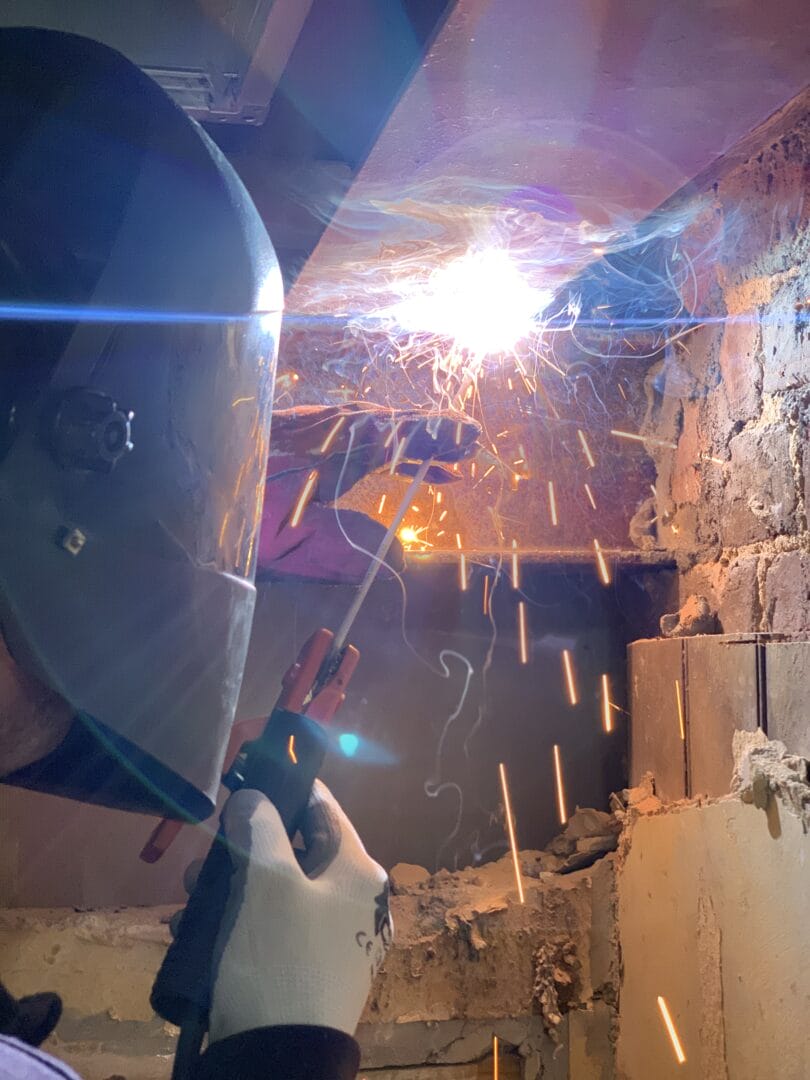
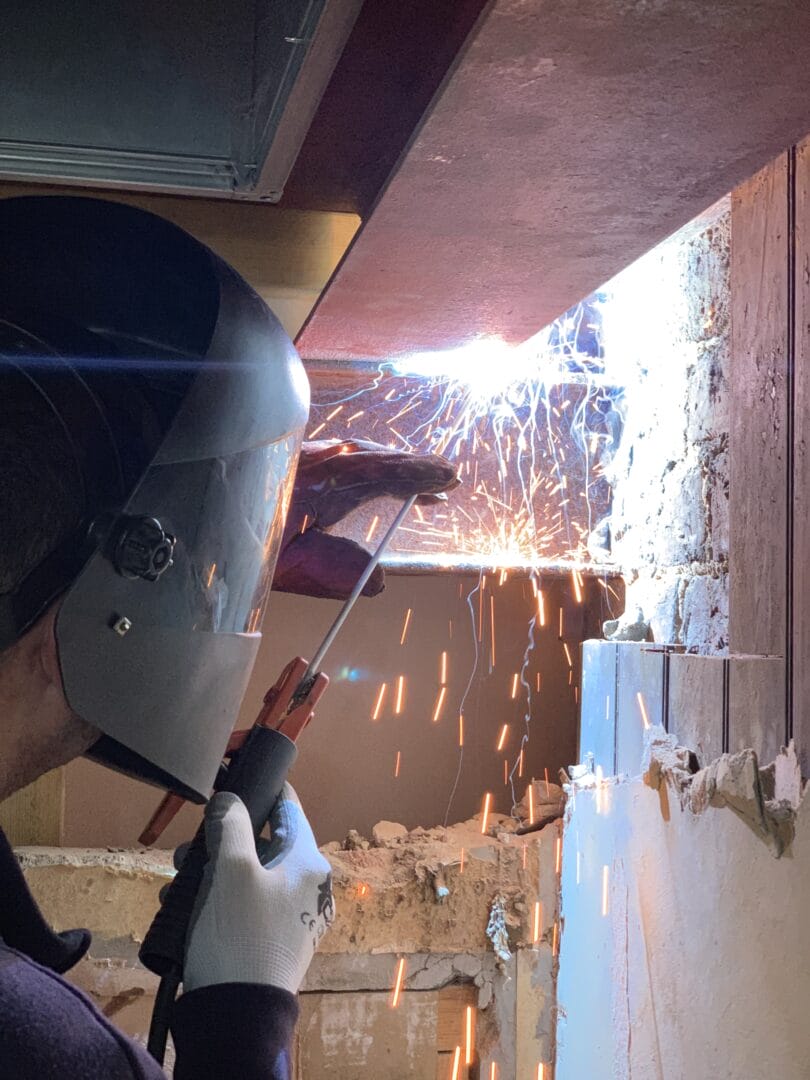
Manual welding, also known as hand welding or conventional welding, is defined as the operator directly controls the electrode or torch.
Types of Manual Welding include:
- TIG (Tungsten Inert Gas) welding – Ideal for thin metals, aluminium and projects which require a clean, polished finish.
- MIG (Metal Inert Gas) welding – Best applied for fabrication which require speed coupled with reliability such as car welding and structural steel
- Stick Welding – Versatile, inexpensive method most used for outdoors construction and repair projects
Strengths of Manual Welding:
- Adaptable: Applicable for repairs, small runs and custom jobs where detail is prioritised
- Material diversity: Manual welding is applicable to a broad range of materials from brass to stainless steel
- Skill based: Machines are unable to weld complex geometries which a talented welder would be able to
Limitations of Manual Welding:
- Speed: Automated methods are capable of much faster production rates
- Labor costs: Due to the high demand for skilled welders and the decreasing number of them, labour costs tend to be high
- Variability: Quality between welds will vary greatly depending on the welder’s consistency and skill
Overall, Manual welding is best selected for one-off projects, repairs and industries that require flexibility and craftsmanship.
What is Automatic Welding?
Automatic Welding, or auto weld, relies on machines or robotic systems to complete welds requiring minimal human input. Industries which prioritise large volumes and efficiency such as automotive manufacturing, shipbuilding and aerospace most commonly use Automatic welding methods.
Types of automatic welding include:
- Semi-automatic welding: Machine only completes the weld, but an operator loads and positions materials
- Fully automated welding: Machines or robots complete the entire welding process with software control
Strengths of Automatic welding:
- Speed: Automatic welding can produce 100+ parts in the time manual welding completes only a handful
- Consistency: Insignificant variations in weld quality are observed in automatic welding
- Scalability: Applicable to projects where thousands of identical components are required such as sheet metal production and fabrication
- Reduced long-term costs: Initial large investments in machinery and factory are offset by reduced labour costs and greater production rates
Limitations of Automatic Welding:
- Initial investment: Entry costs for equipment, programming and maintenance costs are high
- Limited flexibility: Financially inefficient for one off custom designs
- Training costs: Machine operators require sufficient knowledge in programming, machine calibration and safety protocols
Automatic welding is most suited for mass manufacturing where efficiency and scalability are drivers for profit.