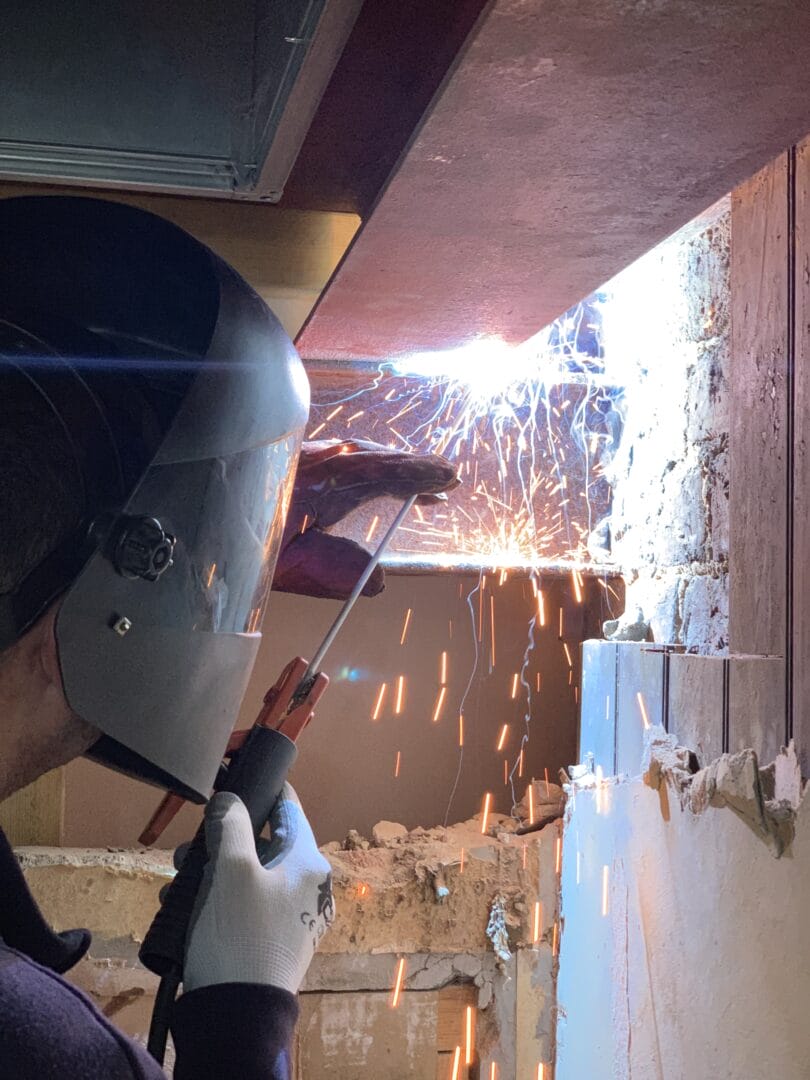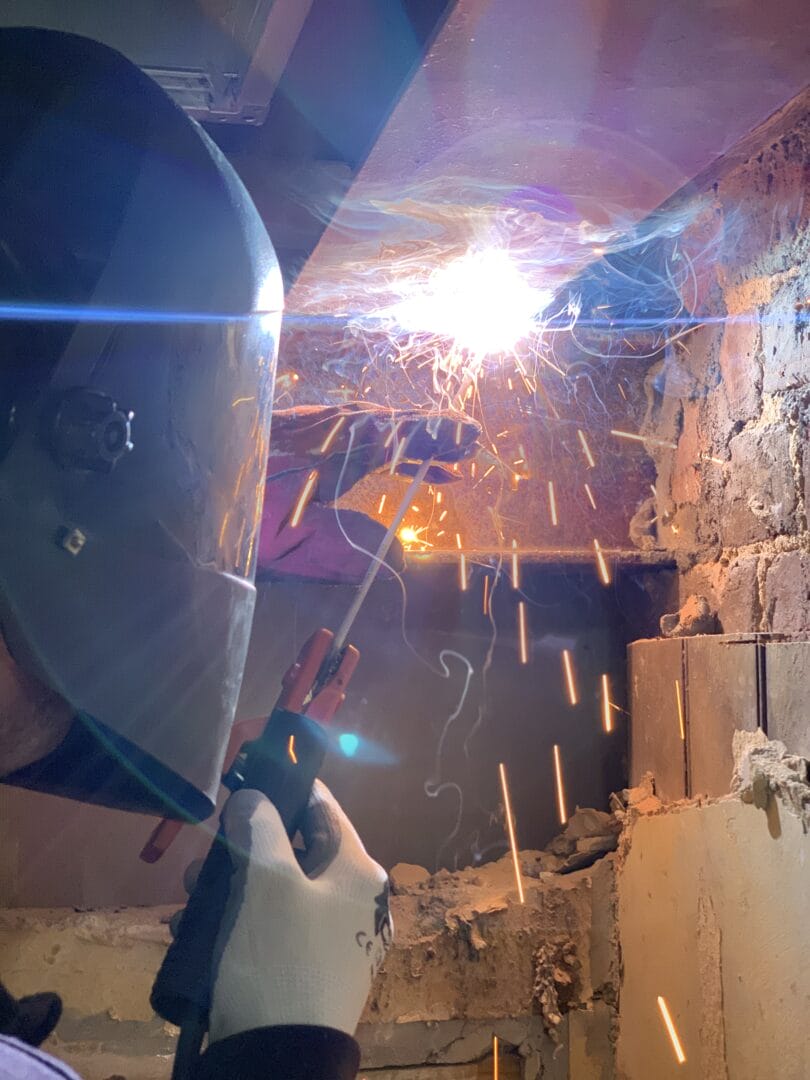
E7018 Electrodes in Mobile Site Welding: Strength Where It Matters
The E7018 is a basic, low-hydrogen electrode. The “70” indicates a minimum tensile strength of 70,000 psi (480 MPa), while the “18” refers to the specific low-hydrogen coating. This coating is designed to reduce hydrogen-induced cracking in the weld. Because the electrode is sensitive to moisture, performance depends on proper storage in a dry, warm place or a rod oven.
That might sound technical, but here’s the thing: when you’re carrying out on-site welding, especially structural repairs, the choice of electrode can make or break the job.
Why Low Hydrogen Matters on Site
In mobile welding services, conditions aren’t always perfect. You may be repairing structural steelwork one day and carrying out heavy equipment welding the next. Moisture in electrodes can introduce hydrogen into the weld pool. That hydrogen can cause cracking, sometimes days after the job is finished. No professional mobile welder wants that call back.
The E7018’s basic flux coating protects the molten weld pool from atmospheric contamination. Low-hydrogen ingredients are carefully formulated to minimise cracking risk. Deoxidisers such as manganese and silicon remove impurities (dirt, mill scale, surface contamination), improving weld quality even when site conditions are less than ideal.
For a mobile welder working across Greater London, reliability matters. The electrode must perform consistently, whether we’re fabricating a beam support or repairing a damaged shipping container.
What’s Inside the Coating?
The coating composition plays a crucial role:
- Iron powder increases deposition rates, allowing faster welding and improved arc stability.
- Basic flux shields the weld pool from oxygen and nitrogen in the air.
- Low hydrogen compounds reduce the chance of delayed cracking.
- Binders such as potassium or sodium silicate hold everything together before drying.
In practical terms, this means smoother arc control, better slag coverage, and strong, clean welds; essential for structural steelwork, bridges, columns, and load-bearing fabrications.
Built for Strength
One of the standout features of E7018 electrodes is toughness at low temperatures. Some variants maintain impact resistance down to –50°C. That’s why they’re widely used in shipbuilding, pipelines, heavy equipment repair, and construction.
For a company providing mobile welding and repair services, especially on structural frameworks, that toughness is critical. Steel expands and contracts. Loads shift. London weather isn’t exactly predictable either. A weld needs to hold firm through all of it.
And while E7018 can be used in almost all welding positions (flat, horizontal, vertical up, overhead), it’s not suited for vertical down. That distinction matters when carrying out onsite welding services on staircases, gates, or elevated steel frames.
Recommended Amperage Settings
Proper amperage ensures penetration without overheating:
- 2.5mm electrode: 80–100 amps
- 3.2mm electrode: 90–150 amps
In mobile site welding, we often adjust settings slightly depending on joint thickness and site power supply. Generators, extension runs, and environmental factors all play a role. Experience counts here.
From Structural Beams to Heavy Equipment
E7018 electrodes are commonly used for:
- Fixing beams and columns
- Welding dams and bridge components
- Structural metal fabrication
- Repairing cracked buckets, frames, excavators, and dozers
For clients searching for “welders near me”, what they often need is not just someone who can weld, but someone who understands material behaviour, load requirements, and site constraints.
That’s the difference between a quick fix and a long-term repair.
Supporting Quality in Mobile Welding Services
At JT Metalworks Ltd, electrode choice is part of a wider commitment to quality. Whether carrying out gate fabrication, structural steel repairs, or heavy equipment welding, the focus remains the same: strong welds, clean finishes, and dependable results.
Mobile welding isn’t simply about convenience, although bringing the workshop to your location certainly reduces downtime, it’s about applying controlled workshop standards in real site conditions. That includes correct electrode storage, moisture control, and disciplined welding procedures.
Because in structural work, strength is not optional. It’s essential.
If you’re considering mobile welding services for structural steelwork, equipment repair, or on-site fabrication across London, understanding the materials and processes involved gives you confidence in the outcome. The right electrode, handled correctly, ensures weld integrity that lasts, not just today, but years down the line.